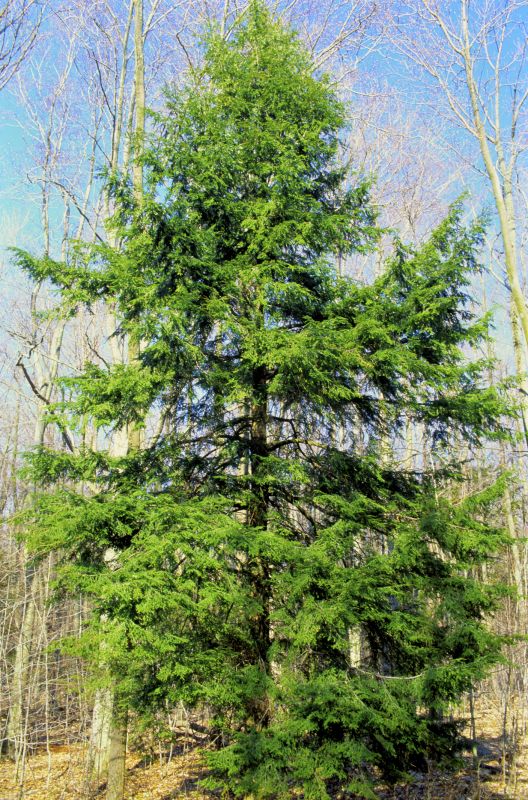
Hemlock Removal in Burlington County, NJ
Hemlock removal services involve the safe and effective elimination of hemlock trees from residential properties. This type of service is often requested for projects such as clearing overgrown areas, removing hazardous or diseased trees, or making space for new landscaping or construction. Property owners typically seek information about the scope of the removal process, potential impacts on the surrounding landscape, and the best methods to ensure the health and safety of their property during and after the removal.
Before requesting hemlock removal, homeowners usually want to understand the size and location of the trees, the reasons for removal, and any necessary permits or regulations in the area. It’s also helpful to consider the overall condition of the trees, whether they pose safety risks, and how the removal might affect the property’s appearance or future use. Clear communication about these factors can help ensure the project meets the property owner’s needs and expectations.
Many property owners in Burlington County, NJ look into Hemlock Removal for repairs, replacements, upgrades, and appearance-related improvements.
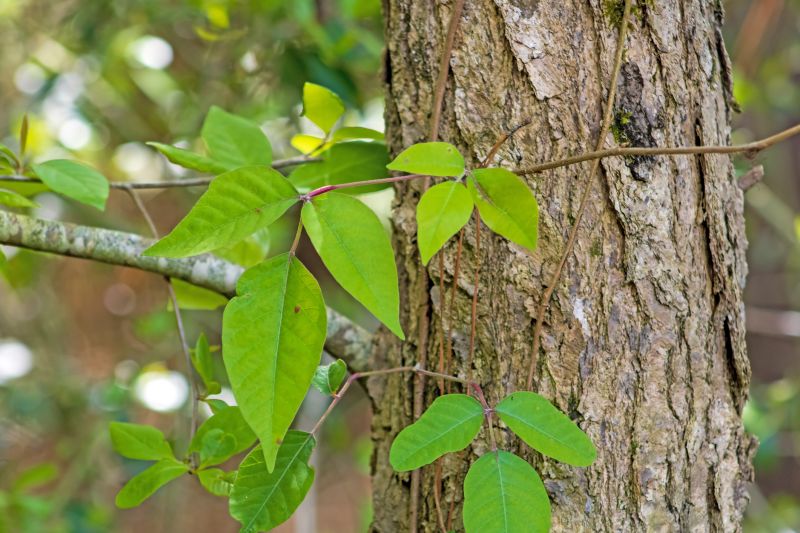
Reasons To Remove Hemlocks
Removing damaged or diseased hemlocks can help protect the health of surrounding trees and landscape.
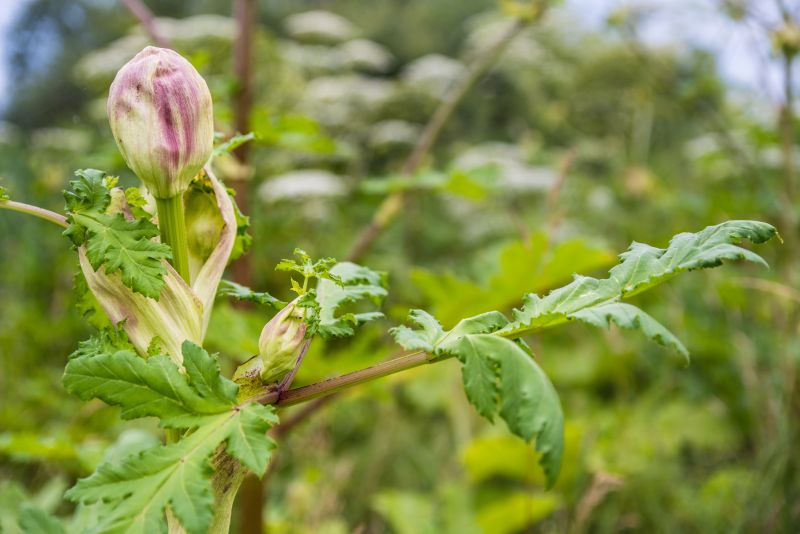
Hemlock Removal Process
Professional removal involves safely cutting and disposing of the trees to prevent damage to your property.
Property Benefits
Clearing hemlocks can improve safety, enhance curb appeal, and create space for new landscaping projects in burlington county.
Hemlock Removal in Burlington County, NJ
Hemlock removal services involve the safe and effective elimination of hemlock trees from residential properties. This type of service is often requested for projects such as clearing overgrown areas, removing hazardous or diseased trees, or making space for new landscaping or construction. Property owners typically seek information about the scope of the removal process, potential impacts on the surrounding landscape, and the best methods to ensure the health and safety of their property during and after the removal.
Before requesting hemlock removal, homeowners usually want to understand the size and location of the trees, the reasons for removal, and any necessary permits or regulations in the area. It’s also helpful to consider the overall condition of the trees, whether they pose safety risks, and how the removal might affect the property’s appearance or future use. Clear communication about these factors can help ensure the project meets the property owner’s needs and expectations.
Many property owners in Burlington County, NJ look into Hemlock Removal for repairs, replacements, upgrades, and appearance-related improvements.
Common Hemlock Removal Jobs
Hemlock removal - safely eliminates invasive trees that threaten native landscapes.
Hemlock thinning - reduces tree density to improve forest health and growth.
Hemlock pruning - shapes and maintains trees for better appearance and safety.
Hemlock stump grinding - removes remaining stumps to prevent regrowth and hazards.
Hemlock disease management - addresses health issues to prolong tree vitality.
Hemlock planting removal - replaces unwanted or damaged trees with suitable native species.
Hemlock Removal Questions
Why remove a Hemlock tree? Removal may be necessary if the tree shows signs of disease, poses safety risks, or is causing damage to nearby structures.
How is Hemlock removal performed? The process typically involves cutting the tree down and safely removing the debris, often using specialized equipment for large or difficult-to-access trees.
Are there alternatives to removal? In some cases, health treatments or pruning can address issues, but removal is recommended if the tree is severely diseased or hazardous.
Will removal affect the landscape? Proper removal can help prevent damage to surrounding plants and improve overall property safety and appearance.
Request Hemlock Removal in Burlington County, NJ
Use the quote form on this page to share the basics of your project and request more information for the type of work you need.