Hemlock Removal in Delaware County, PA
Hemlock removal services involve the careful removal of hemlock trees that may pose risks to property, safety, or landscape aesthetics. This service typically covers projects such as removing dead, diseased, or hazardous hemlocks, clearing space for new landscaping, or managing overgrown areas where the trees have become a concern. Property owners usually want to understand the scope of the removal process, the potential impact on their landscape, and any considerations related to tree preservation or safety before requesting assistance.
Before requesting hemlock removal, property owners often seek information about the size and location of the trees, the reasons for removal, and any potential effects on surrounding plants or structures. It’s also helpful to consider whether the project involves partial or complete removal and to understand any local regulations or restrictions related to tree removal. Clear communication about these aspects can ensure the process aligns with the property’s needs and safety requirements.
Many property owners in Delaware County, PA look into Hemlock Removal for repairs, replacements, upgrades, and appearance-related improvements.
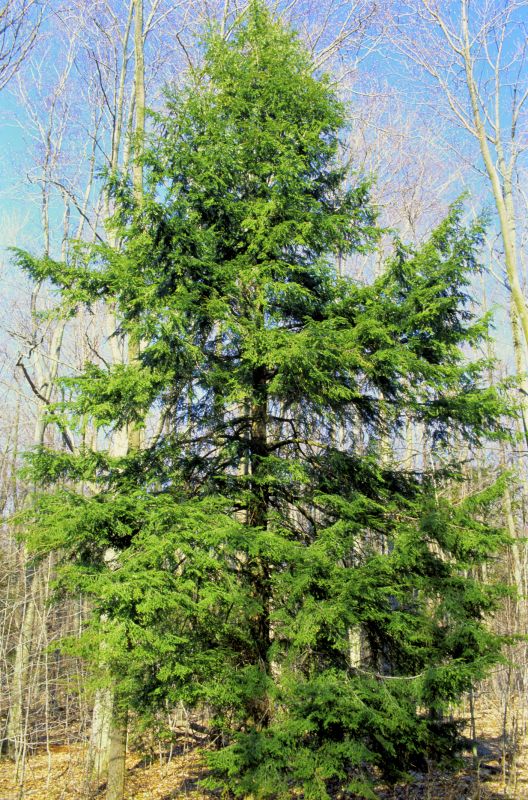
Reasons To Remove Hemlocks
Removing damaged or diseased hemlocks can improve the safety and appearance of your property.
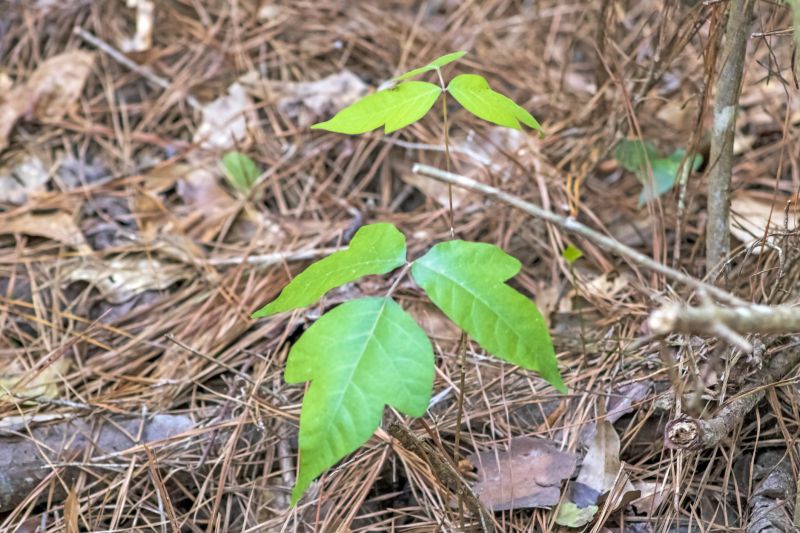
Hemlock Removal Process
The process involves safely cutting and removing the trees to prevent damage to surrounding landscape.
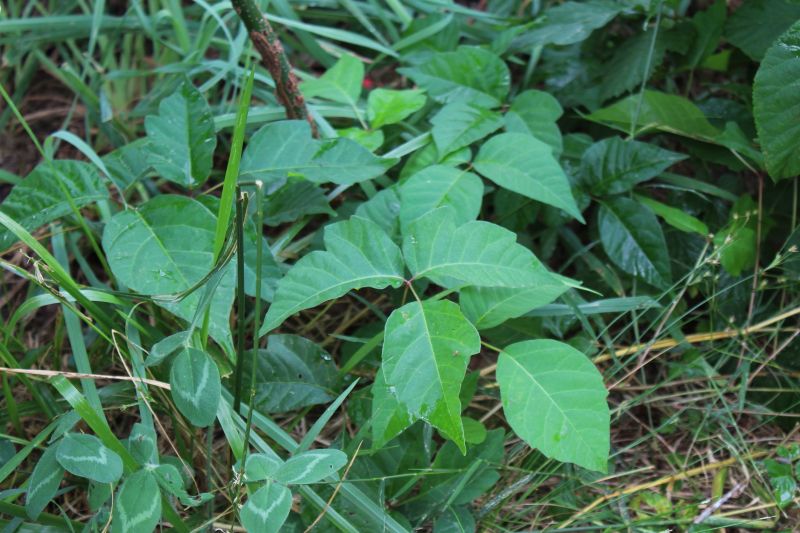
Post-Removal Landscaping
After removal, property owners can consider planting new trees or restoring the landscape for better curb appeal.
Hemlock Removal in Delaware County, PA
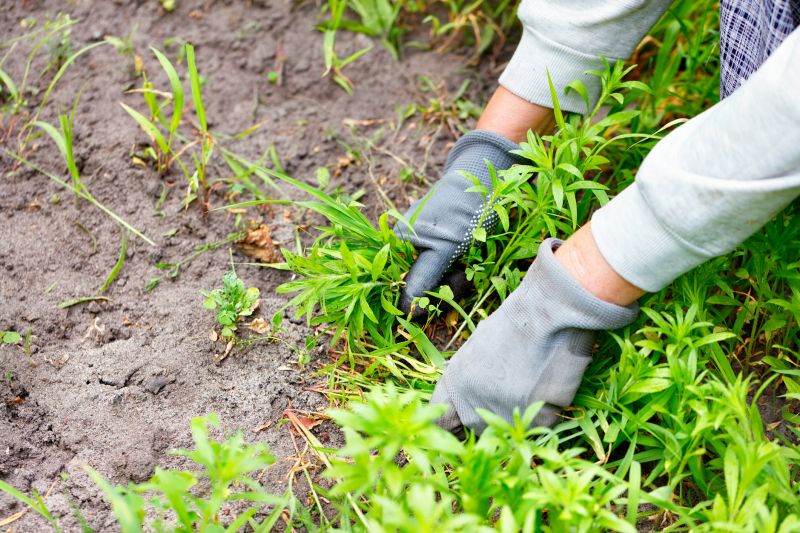
Hemlock removal services involve the careful removal of hemlock trees that may pose risks to property, safety, or landscape aesthetics. This service typically covers projects such as removing dead, diseased, or hazardous hemlocks, clearing space for new landscaping, or managing overgrown areas where the trees have become a concern. Property owners usually want to understand the scope of the removal process, the potential impact on their landscape, and any considerations related to tree preservation or safety before requesting assistance.
Before requesting hemlock removal, property owners often seek information about the size and location of the trees, the reasons for removal, and any potential effects on surrounding plants or structures. It’s also helpful to consider whether the project involves partial or complete removal and to understand any local regulations or restrictions related to tree removal. Clear communication about these aspects can ensure the process aligns with the property’s needs and safety requirements.
Many property owners in Delaware County, PA look into Hemlock Removal for repairs, replacements, upgrades, and appearance-related improvements.
Common Hemlock Removal Jobs
Hemlock removal involves safely eliminating invasive hemlock trees to protect surrounding landscapes.
Tree removal addresses overgrown or hazardous hemlocks that threaten property safety.
Stump grinding clears remaining tree stumps after hemlock removal to prevent regrowth.
Land clearing prepares properties by removing dense hemlock stands for development or landscaping.
Invasive species control targets hemlocks to prevent spread and maintain healthy native ecosystems.
Property preservation involves removal of hemlocks that pose risks to structures or utility lines.
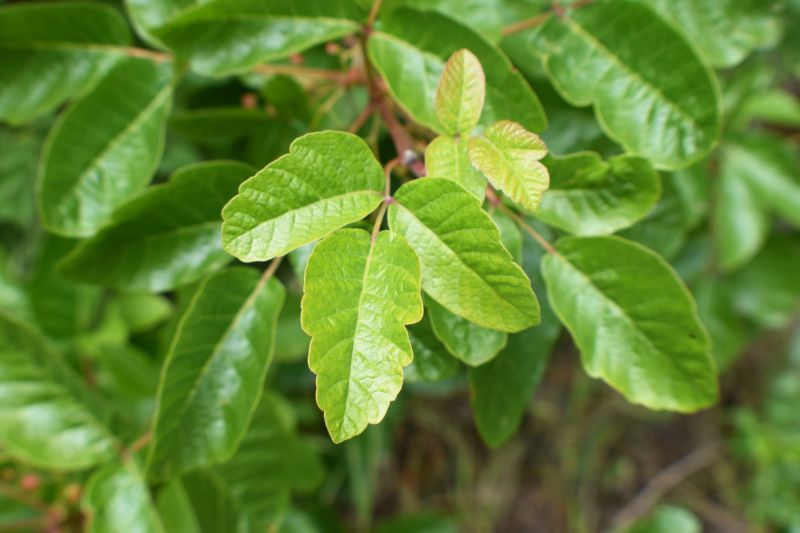
Hemlock Removal Questions
Why remove a Hemlock tree? Removing a Hemlock can prevent disease spread, reduce safety hazards, or improve landscape aesthetics.
Is Hemlock removal necessary for health reasons? Yes, removing infected Hemlocks can protect nearby trees and prevent further damage.
What should be considered before Hemlock removal? Consider the tree's location, size, and potential impact on the property landscape.
How does Hemlock removal affect the landscape? It can open up space, improve visibility, and enhance overall yard appearance.
Request Hemlock Removal in Delaware County, PA
Use the quote form on this page to share the basics of your project and request more information for the type of work you need.