Poison Ivy Removal in Burlington County, NJ
Poison ivy removal services focus on safely eliminating this invasive plant from residential properties. These services typically cover a variety of projects, including clearing overgrown areas, removing poison ivy from trees, fences, and shrubs, and treating affected landscaping to prevent regrowth. Property owners often request this service to protect children, pets, and themselves from skin irritation and allergic reactions caused by contact with poison ivy. Before requesting removal, it’s helpful to understand the extent of the growth, the specific locations where poison ivy is present, and any safety concerns related to access or nearby plants.
Proper removal is essential to prevent the plant from spreading further and to ensure safety during the process. Property owners should consider whether the poison ivy is in hard-to-reach areas or near valuable landscaping, as these details can influence the scope of work. Additionally, understanding the methods used for removal, such as manual extraction or chemical treatment, can help in making an informed decision. Clear communication about the property’s landscape and the severity of the infestation can facilitate an effective and safe removal process.
Many property owners in Burlington County, NJ look into Poison Ivy Removal for repairs, replacements, upgrades, and appearance-related improvements.
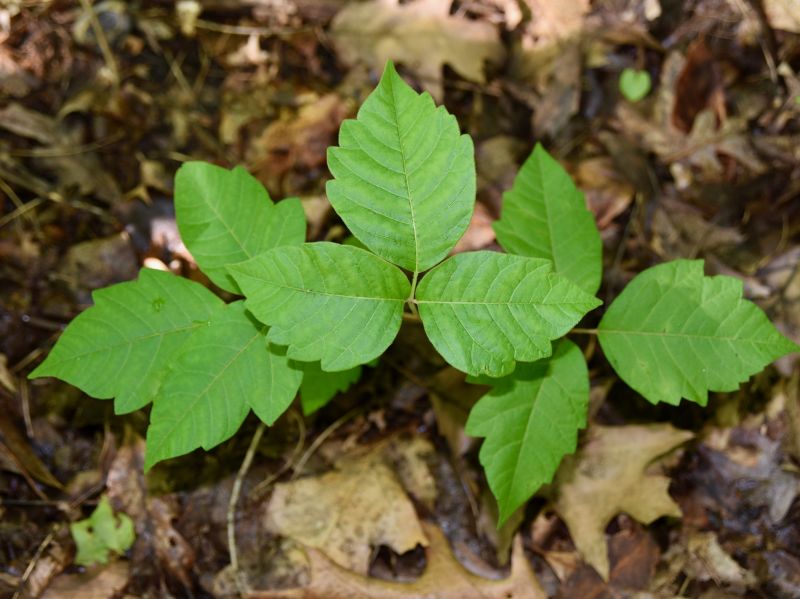
Understanding Poison Ivy
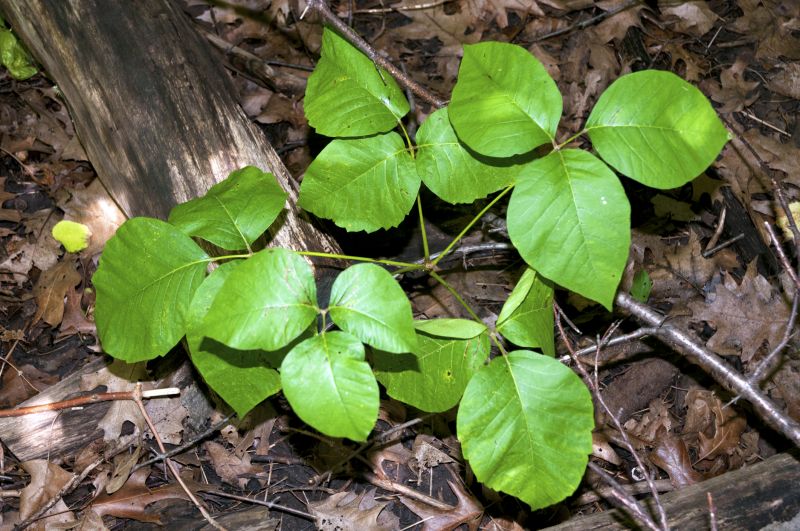
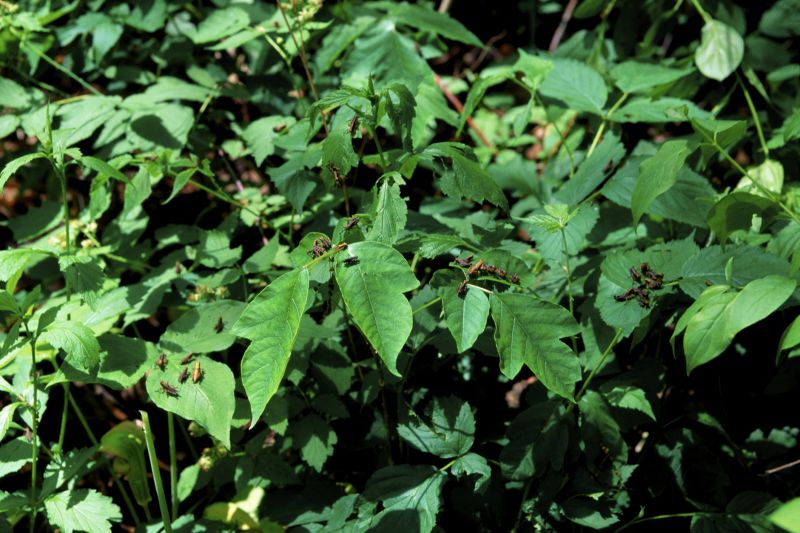
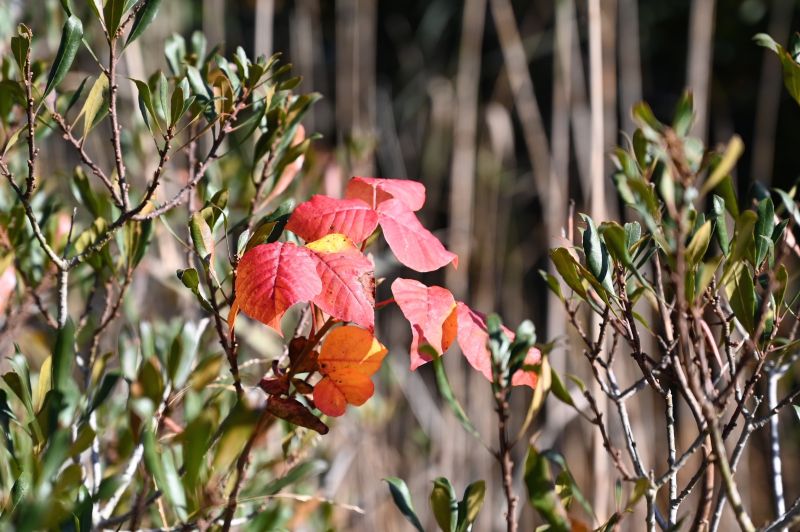
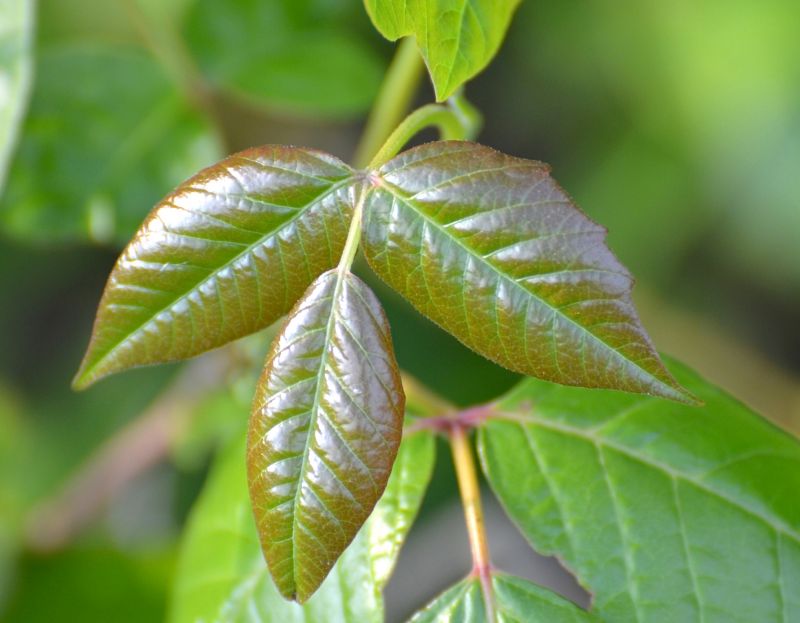
Poison ivy is a common plant in burlington county that can cause skin irritation and allergic reactions.
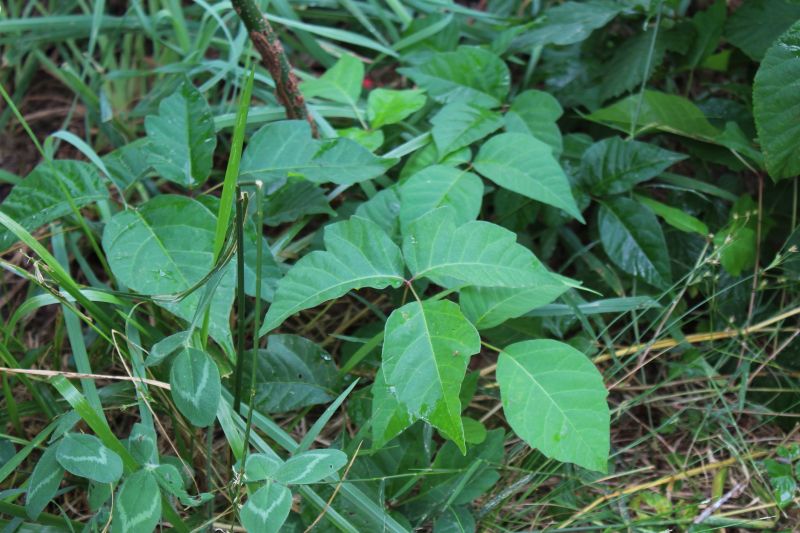
Signs Of Infestation
Identifying poison ivy growth on fences, trees, or ground covers helps determine the need for removal services.
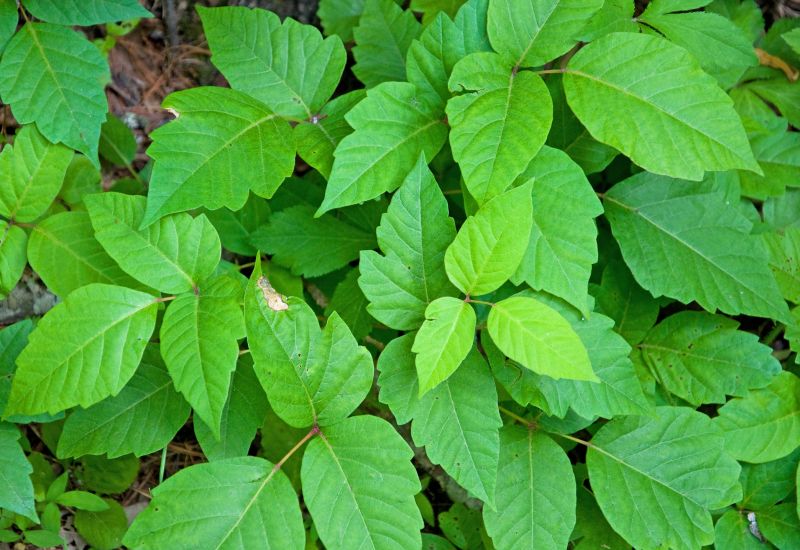
Removal And Prevention
Professional removal ensures safe elimination and advice on preventing future poison ivy growth on residential properties.
Poison Ivy Removal in Burlington County, NJ
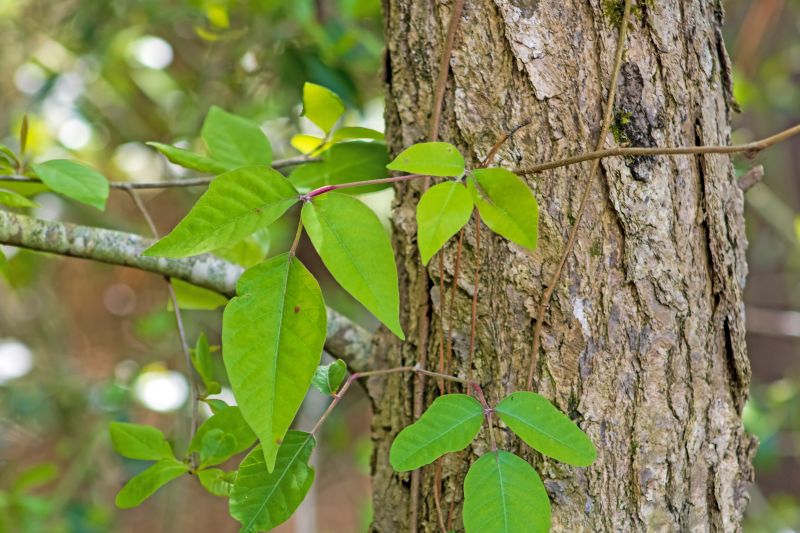
Poison ivy removal services focus on safely eliminating this invasive plant from residential properties. These services typically cover a variety of projects, including clearing overgrown areas, removing poison ivy from trees, fences, and shrubs, and treating affected landscaping to prevent regrowth. Property owners often request this service to protect children, pets, and themselves from skin irritation and allergic reactions caused by contact with poison ivy. Before requesting removal, it’s helpful to understand the extent of the growth, the specific locations where poison ivy is present, and any safety concerns related to access or nearby plants.
Proper removal is essential to prevent the plant from spreading further and to ensure safety during the process. Property owners should consider whether the poison ivy is in hard-to-reach areas or near valuable landscaping, as these details can influence the scope of work. Additionally, understanding the methods used for removal, such as manual extraction or chemical treatment, can help in making an informed decision. Clear communication about the property’s landscape and the severity of the infestation can facilitate an effective and safe removal process.
Many property owners in Burlington County, NJ look into Poison Ivy Removal for repairs, replacements, upgrades, and appearance-related improvements.
Common Poison Ivy Removal Jobs
Poison Ivy Removal - Safely eliminates poison ivy from lawns, gardens, and landscapes.
Property Clearing - Clears overgrown areas that are infested with poison ivy.
Landscaping Maintenance - Removes poison ivy to protect garden beds and planting areas.
Trail and Pathway Clearing - Ensures pathways are safe by removing invasive poison ivy growth.
Fence Line and Boundary Clearing - Keeps poison ivy away from property borders and fencing.
Yard Cleanup - Restores yard safety by removing poison ivy and related plant debris.
Poison Ivy Removal Questions
What is poison ivy removal? Poison ivy removal involves safely eliminating the plant to prevent skin irritation and property damage.
When should poison ivy be removed? Removal is recommended when poison ivy is growing in high-traffic areas or near structures to prevent contact and spread.
How is poison ivy removed? The process typically includes carefully cutting and removing the plant, followed by proper disposal to prevent regrowth.
Is professional poison ivy removal necessary? Professional removal ensures safe and effective elimination, especially in hard-to-reach or extensive growth areas.
Request Poison Ivy Removal in Burlington County, NJ
Use the quote form on this page to share the basics of your project and request more information for the type of work you need.